


 English
 русский
 Deutsch
 Von admin
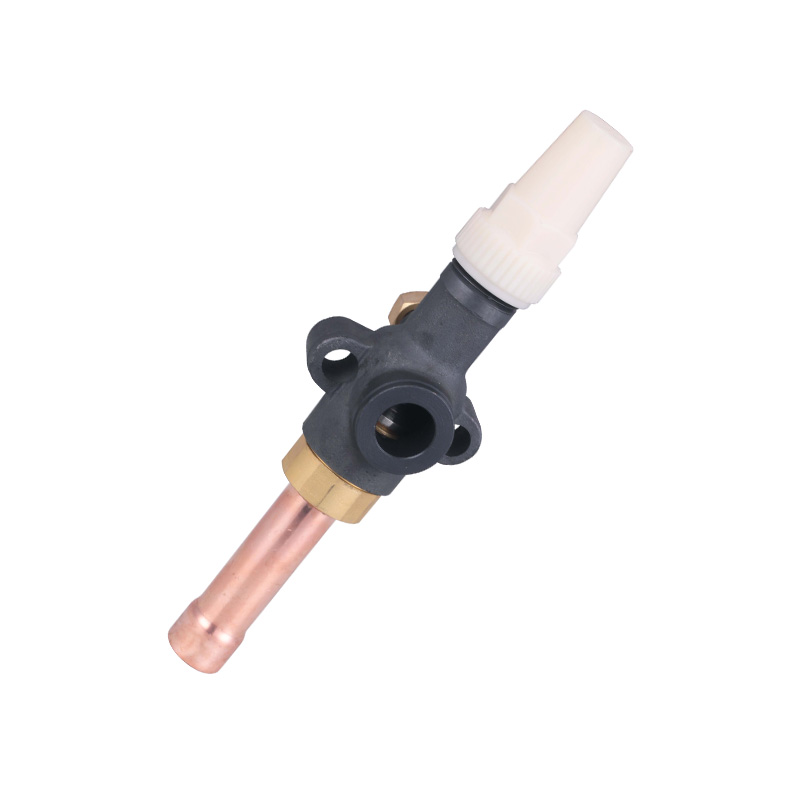
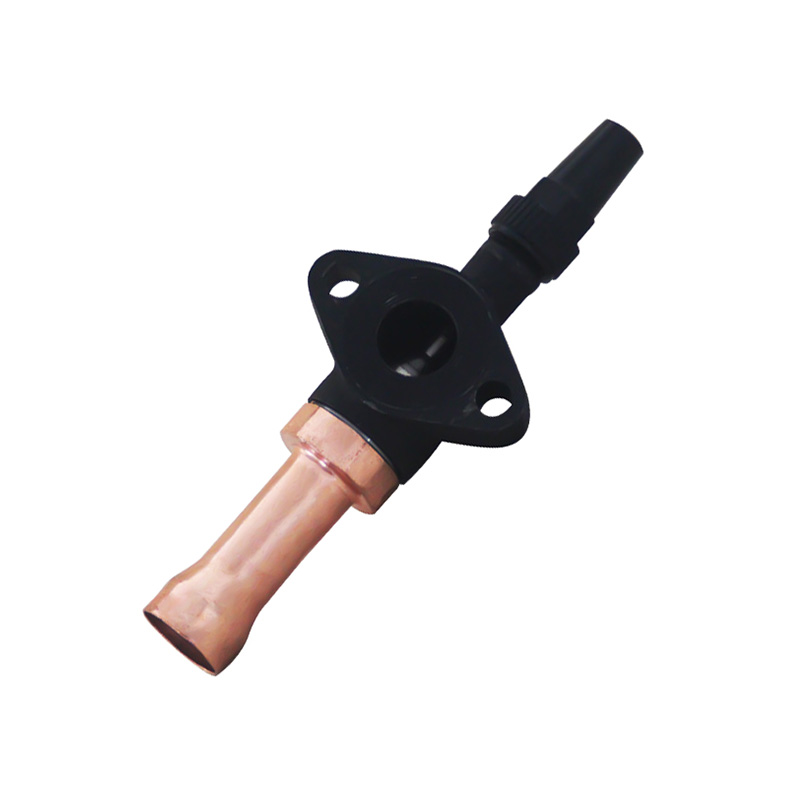
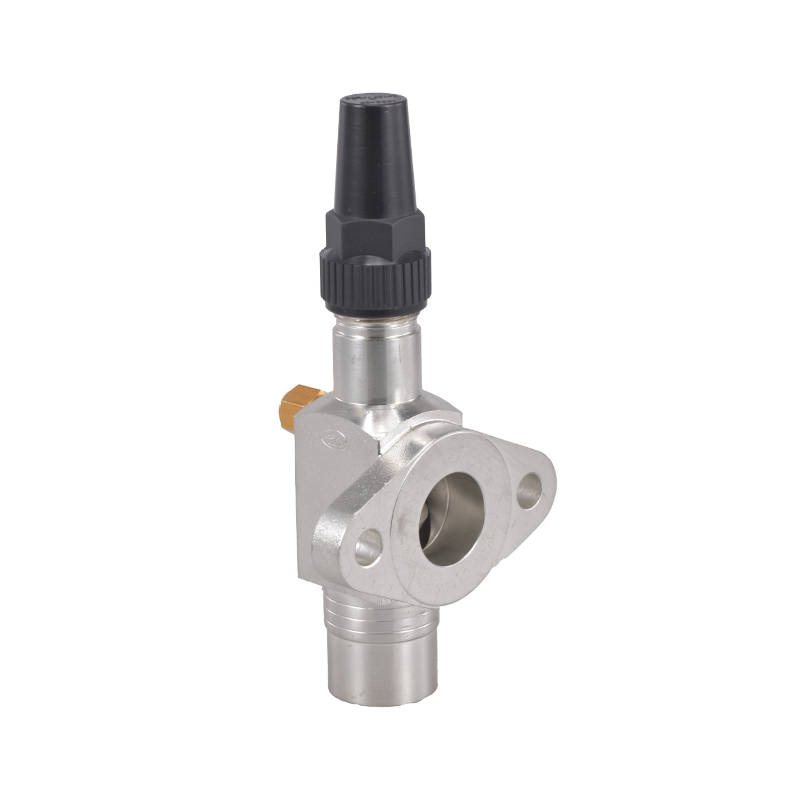
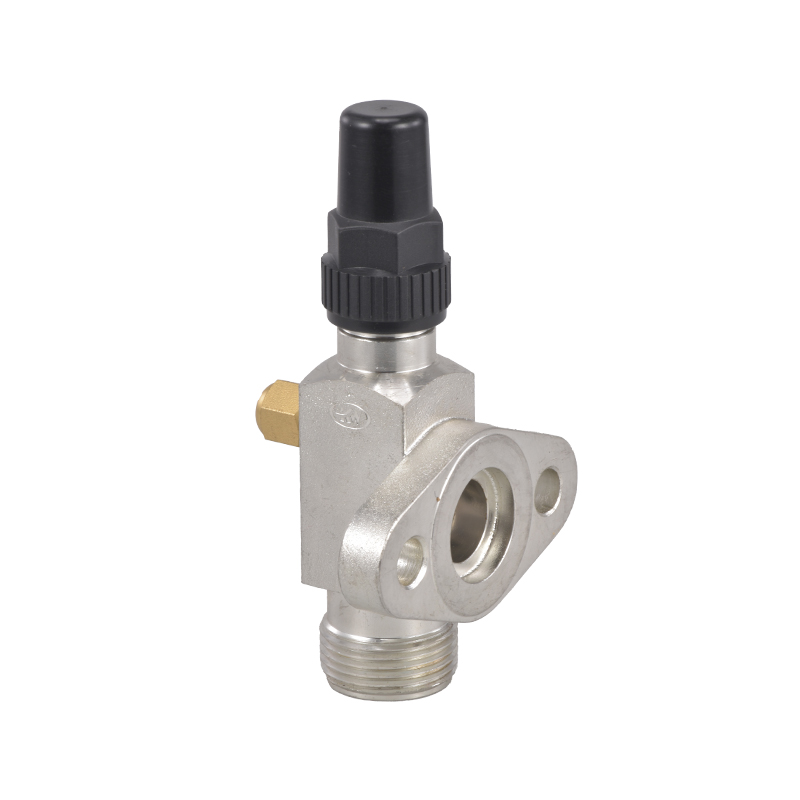
As industries worldwide aim to reduce energy consumption and environmental impact, the demand for efficient and eco-friendly components has increased. Among these, the Welded Ball Valve has emerged as a key solution for controlling fluid flow while minimizing waste and leakage. Engineers and procurement managers are increasingly discussing on LinkedIn, technical forums, and YouTube channels how sustainable valve solutions not only improve operational efficiency but also align with environmental regulations and corporate social responsibility goals.
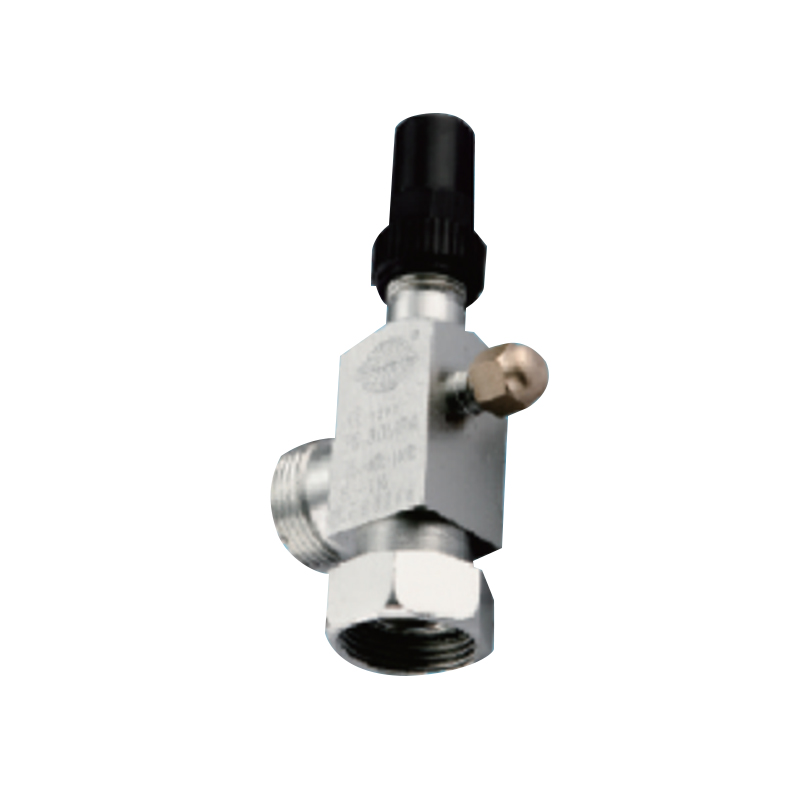
Energy Efficiency Through Optimized Design
Reducing energy consumption in pipelines requires valves that offer minimal resistance to fluid flow while maintaining tight sealing. Welded ball valves are favored for their smooth quarter-turn operation and robust sealing surfaces, which reduce energy loss and maintain system pressure efficiently. International buyers are prioritizing valves that combine reliable performance with energy-conscious design, as highlighted in industrial sustainability discussions online.
Durability Meets Environmental Responsibility
Durable valves reduce the need for replacements, lowering both material consumption and operational waste. Stainless steel and advanced alloys are often chosen not only for longevity but also for their recyclability and reduced environmental footprint. Social media and industry forums increasingly feature case studies showing how high-quality welded ball valves contribute to greener industrial practices.
Key Advantages of Sustainable Valve Solutions
When selecting environmentally responsible valves, buyers consider both performance and impact. Presenting these in a clear format helps engineers and procurement teams make informed decisions:
Leak prevention: Tight sealing reduces fluid waste
- Long service life: Durable construction minimizes material turnover
- Ease of operation: Smooth mechanisms reduce energy use during actuation
- Material sustainability: Recyclable and responsibly sourced materials
- Operational reliability: Consistent performance avoids emergency replacements
These points are widely shared in industrial sustainability reports and technical blogs, emphasizing both operational and environmental benefits.
Integration With Smart Monitoring for Efficiency
Modern valves can be integrated with sensors and automated control systems to monitor flow, detect leaks, and optimize performance in real time. Welded ball valves compatible with digital monitoring platforms help industries achieve higher energy efficiency, reduce downtime, and provide data for sustainability reporting.
Versatility Across Green Industrial Applications
Eco-conscious industries—from water treatment to chemical processing—demand valves that adapt to varying pressures, fluids, and environmental conditions. Welded ball valves are preferred for their ability to operate efficiently under diverse conditions while maintaining minimal environmental impact. Buyers are increasingly looking for products that can support future sustainability initiatives without compromising performance.
Emerging Trends in Eco-Friendly Valve Technology
The industrial sector is seeing innovation in modular and low-resistance valve designs. Social media and technical forums highlight trends such as precision-engineered seals, lightweight yet durable materials, and compatibility with hybrid fluid systems. By choosing versatile, energy-efficient valves, buyers can future-proof pipelines, improve regulatory compliance, and contribute to corporate sustainability targets.
Sustainable Flow Control Solutions
Industrial decision-makers are recognizing that high-quality, eco-friendly valves are essential for long-term operational efficiency and environmental compliance. By selecting robust Welded Ball Valve solutions designed for energy efficiency and minimal environmental impact, companies ensure safer, more reliable, and sustainable pipelines. Complementing these with strategically installed One-Way Stop Valve enhances system reliability, prevents backflow, and supports greener industrial operations worldwide.